Fugu Frenzy: How Ghana’s Traditional Smock Became a Symbol of Unity and Pride
Fugu Frenzy: How Ghana's Traditional Smock Became a Symbol of Unity and Pride

Story by Fada Amakye
Ghana’s traditional fugu smock has become an unlikely hero in the country’s cultural landscape. The controversy began when President John Dramani Mahama wore the traditional attire during a visit to Zambia, sparking a viral debate on social media. While some Zambians mocked the garment, calling it a “blouse,” Ghanaians rallied together to educate the world about their rich cultural heritage.
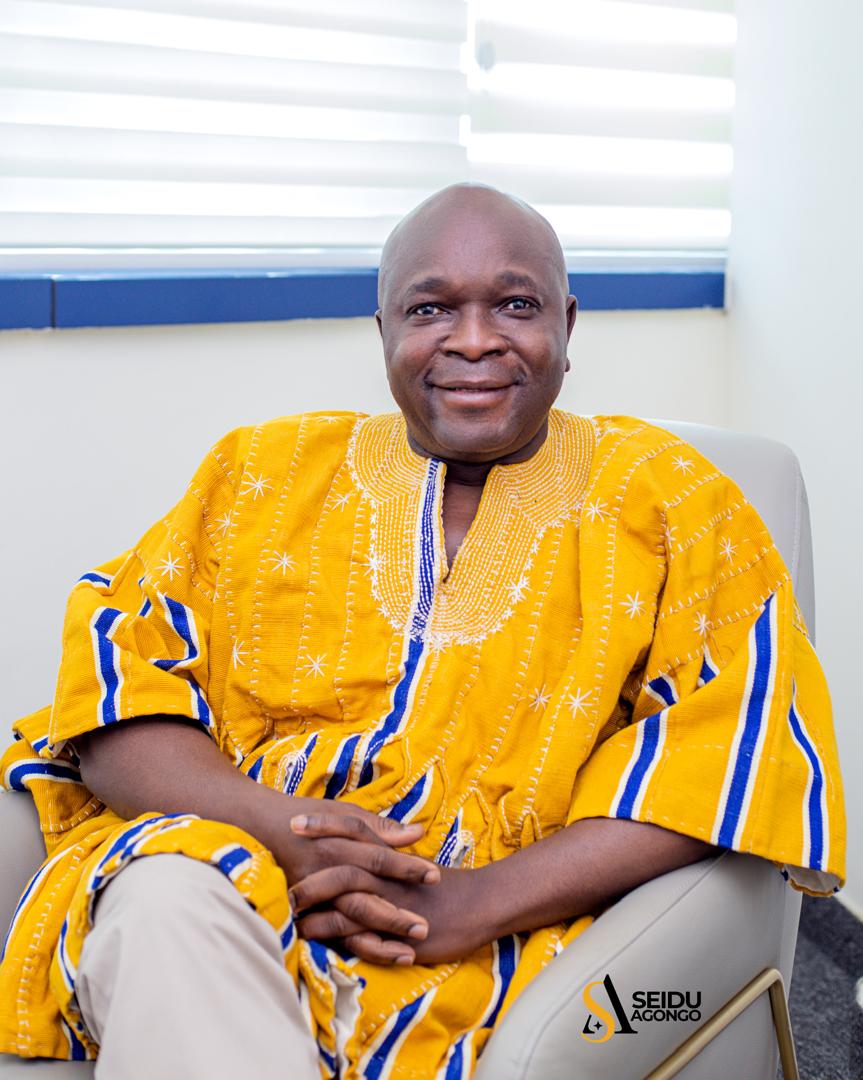
The fugu, also known as batakari, is a handwoven cotton garment originating from northern Ghana. It’s more than just a piece of clothing – it’s a symbol of identity, power, history, and cultural pride.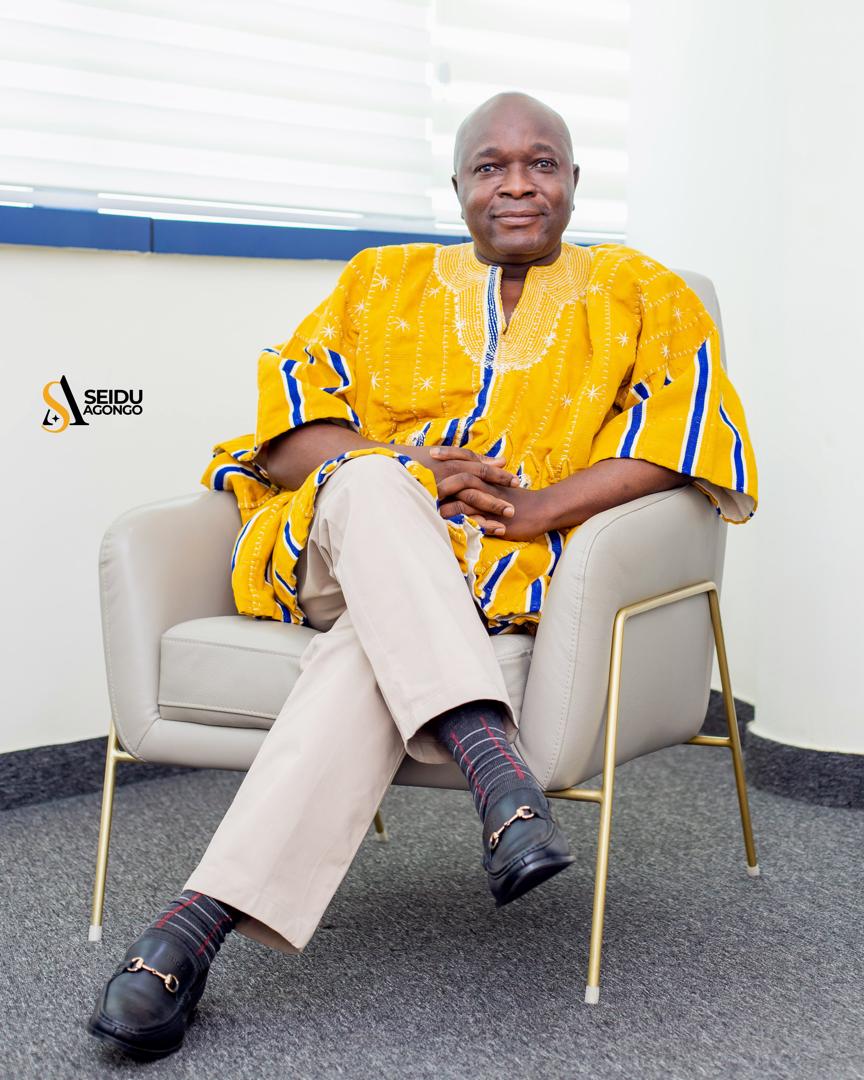 The garment has been worn by Ghana’s founding fathers, including Kwame Nkrumah, and is often donned by chiefs, warriors, and spiritual leaders during important ceremonies.
The recent fuss over the fugu has led to a surge in global interest, with searches for the garment skyrocketing. Zambia’s Revenue Authority has even issued exemptions for fugu imports, and President Hichilema has expressed interest in importing the traditional attire. In Ghana, the government has declared every Wednesday as Fugu Day, encouraging citizens to proudly wear their smocks and promote their heritage.
As Alhaji Seidu Agongo writes, “The fugu fight revealed something bigger. As Ghanaians, we will argue tirelessly among ourselves on politics, governance, policy and ideology… But when our collective identity is challenged, we stand as one people with one voice”.
The fugu phenomenon shows that unity can be a powerful economic strategy. Imagine what Ghana could achieve if it united around its cocoa sector, industrialization, agriculture, education, and public health initiatives.