‘The Magic Is Early’: Bright Steps Leads Autism Push as Parents Flock for Screening"
‘The Magic Is Early’: Bright Steps Leads Autism Push as Parents Flock for Screening

Story by Fada Amakye
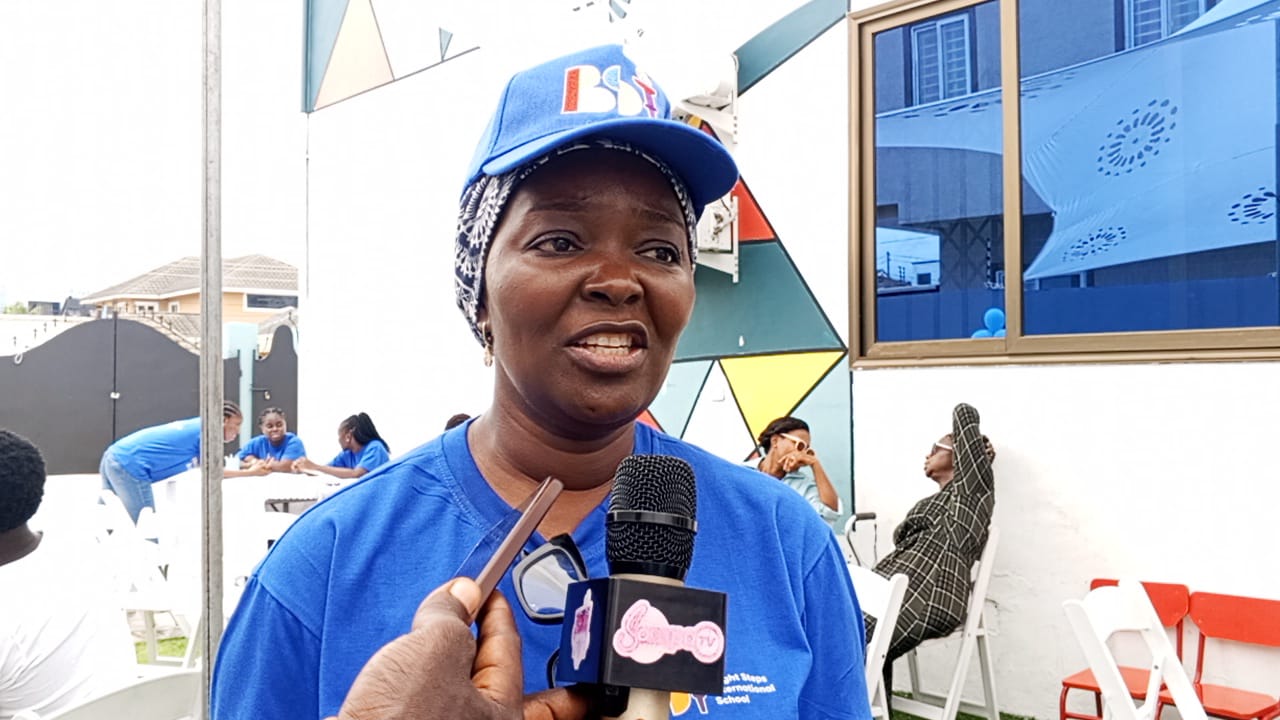
Early intervention can change the life of a child with autism, and that message is driving this year’s awareness campaign by Bright Steps International, CEO Grace Abbey Nkrumah said.
“We stress on the early intervention, because that’s really where the magic is. That’s where we can support the child as quickly as possible,” Ms. Nkrumah said. The campaign began in March with media and newspaper articles explaining autism, its early signs, and why acting fast matters.
On April 2, Bright Steps took the message to the streets with a float through Accra, ending at Madina Market. There, the team spoke to market women in local dialects about autism, red flags to watch for, and the importance of starting intervention early. Parents were invited for screening on the spot.
“I’m very, very happy with the turnout,” Ms. Nkrumah said. “So many parents have come from far and wide — we have people coming all the way from Tema, Weija, not just the vicinities of East Legon — who have come in with their children not yet diagnosed, but they see some of the red flags.
While the global theme this year centers on autism and humanity, Bright Steps narrowed its focus to early intervention because diagnosis often comes late in Ghana. “A lot of the children with autism, they don’t show physical signs of a condition. So parents find it very difficult to accept that the child has a problem,” she explained.
Often the first sign is language delay. “So ‘he’s not talking yet, but he’s only two, he’s only three.’ And as we are waiting, it’s becoming more and more challenging, because the earlier we bring the child for therapy, the faster the child will be able to catch up.
Ms. Nkrumah acknowledged that parents are often shocked or grieving, but stressed they have a major role. “Spend a lot more time with the child. Keep them away from screens, because they tend to let the TV or the iPad babysit the child. Keep them interacting with you.”
She urged parents to teach independence: “Instead of feeding them, hold the child’s hand and direct the child. When they go to the potty, teach them how to pull up their pants. Label items in the house — ball, table, chair — because the child is learning whether they are saying it or not.”
The biggest challenge in Ghana, she said, is stigma. “As soon as the neighbors and others hear that your child has special needs, they start labeling it and calling it all kinds of things, instead of directing you to seek the necessary support. And it’s one of the reasons why we are embarking on the awareness creation.”
Bright Steps International’s screening and education drive continues through April, targeting early diagnosis and equipping parents to act fast.