CSIR Warns Ghana Must Join Global Talks On Solar Geoengineering
CSIR Warns Ghana Must Join Global Talks On Solar Geoengineering


Story by Fada Amakye
The Director of the CSIR Science and Technology Policy Research Institute, Dr. Wilhelmina Quaye, says Ghana and other vulnerable countries must be part of global conversations on solar radiation modification to fight climate change.
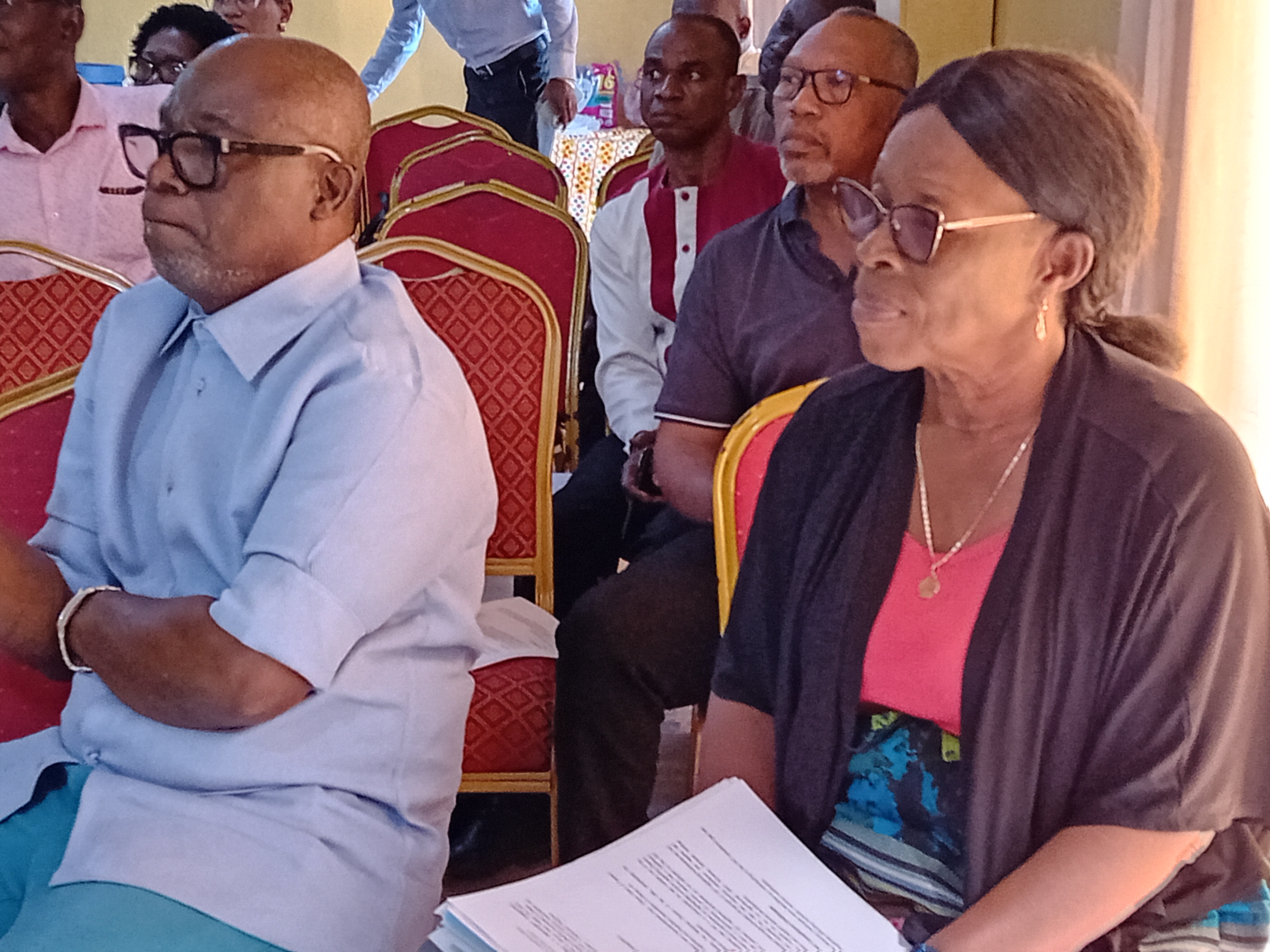
Speaking at a CSIR STePRI forum, Dr. Quaye said climate change remains one of the biggest challenges of the 21st century, causing rising temperatures, extreme weather, sea level rise, and threats to food and water security.
She noted that current efforts to cut greenhouse gas emissions are not enough to limit global warming to 1.5 degrees Celsius above pre-industrial levels.
Dr. Quaye explained that Solar Radiation Modification, or SRM, refers to technologies that could rapidly reduce global temperatures by reflecting sunlight away from the earth.
However, she said SRM is still experimental and comes with huge scientific, environmental, and social uncertainties.
“Beyond the technical issues, SRM raises profound ethical, governance, policy and social questions,” she said.
Dr. Quaye listed key concerns including intergenerational justice, informed consent, unequal distribution of risks and benefits, and the fear that SRM could reduce the push for real emissions cuts.
“There is also concern that the prospects of SRM could delay the transition to sustainable energy systems,” she added.
She said there is currently no comprehensive international law to regulate SRM research, testing, or deployment. Existing agreements like the UNFCCC and the Convention on Biological Diversity only offer partial guidance.
“Questions remain on who should make decisions about SRM, how accountability should be ensured, and how affected communities should participate,” she said.
Dr. Quaye noted that most SRM research is concentrated in developed countries, while developing nations like Ghana have limited participation, even though they are among the most vulnerable to climate change.
She said public awareness in Ghana is also low and perceptions are shaped by cultural, political and socio-economic contexts, including indigenous knowledge.
“What we have done here in Ghana is very unique,” she said, calling for more research, education, and policy dialogue to ensure Ghana’s voice is heard in global climate decisions.