Nkrumah’s Ideals Still Relevant Today – Alhaji Agongo
Nkrumah’s Ideals Still Relevant Today – Alhaji Agongo

Story by Fada Amakye
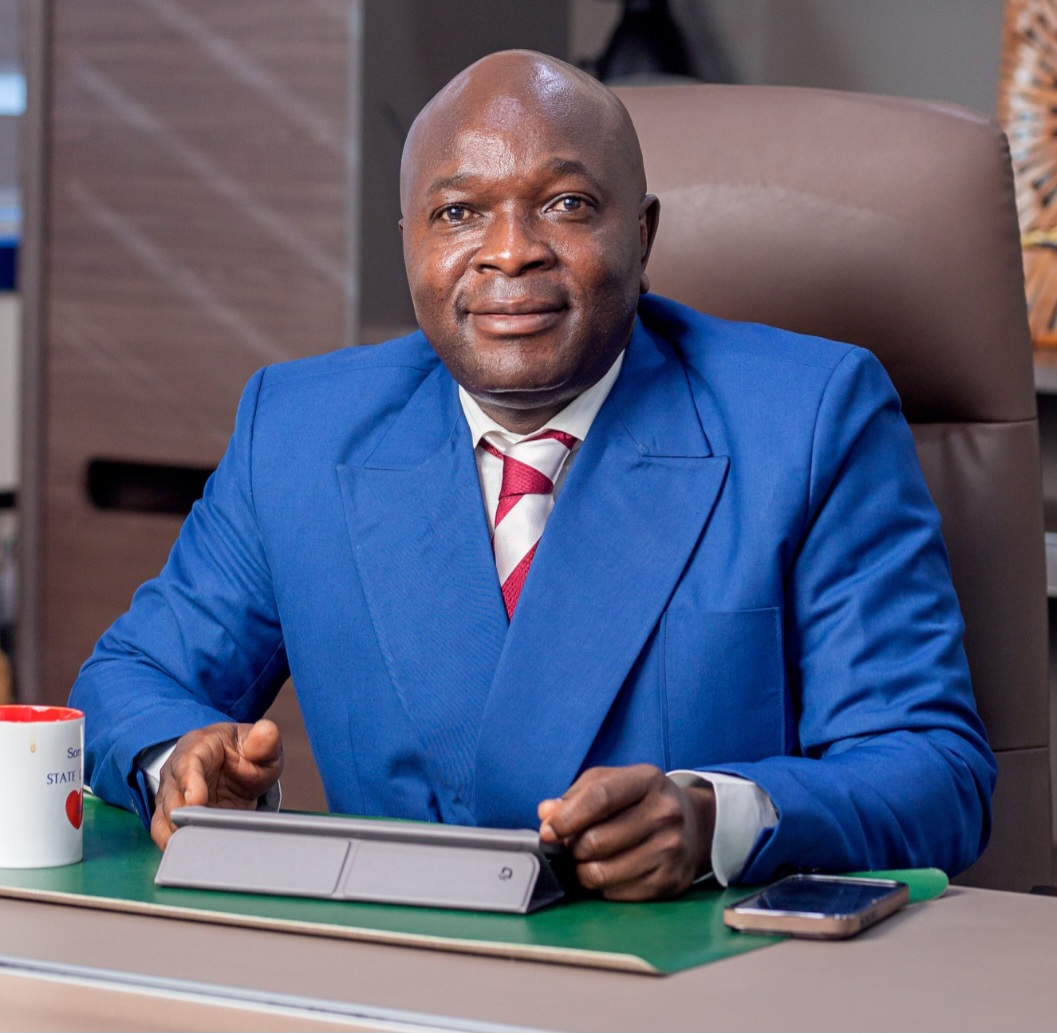
Businessman and philanthropist, Alhaji Seidu Agongo, says the ideals of Ghana’s first President, Dr Kwame Nkrumah, remain relevant for today’s leaders.
In an article titled Beyond politics: Why Kwame Nkrumah’s ideals still matter for today’s leaders, he said as world leaders gather for the 81st UN General Assembly in New York, Nkrumah’s questions about African unity, economic independence and self-determination are still central to Africa’s challenges.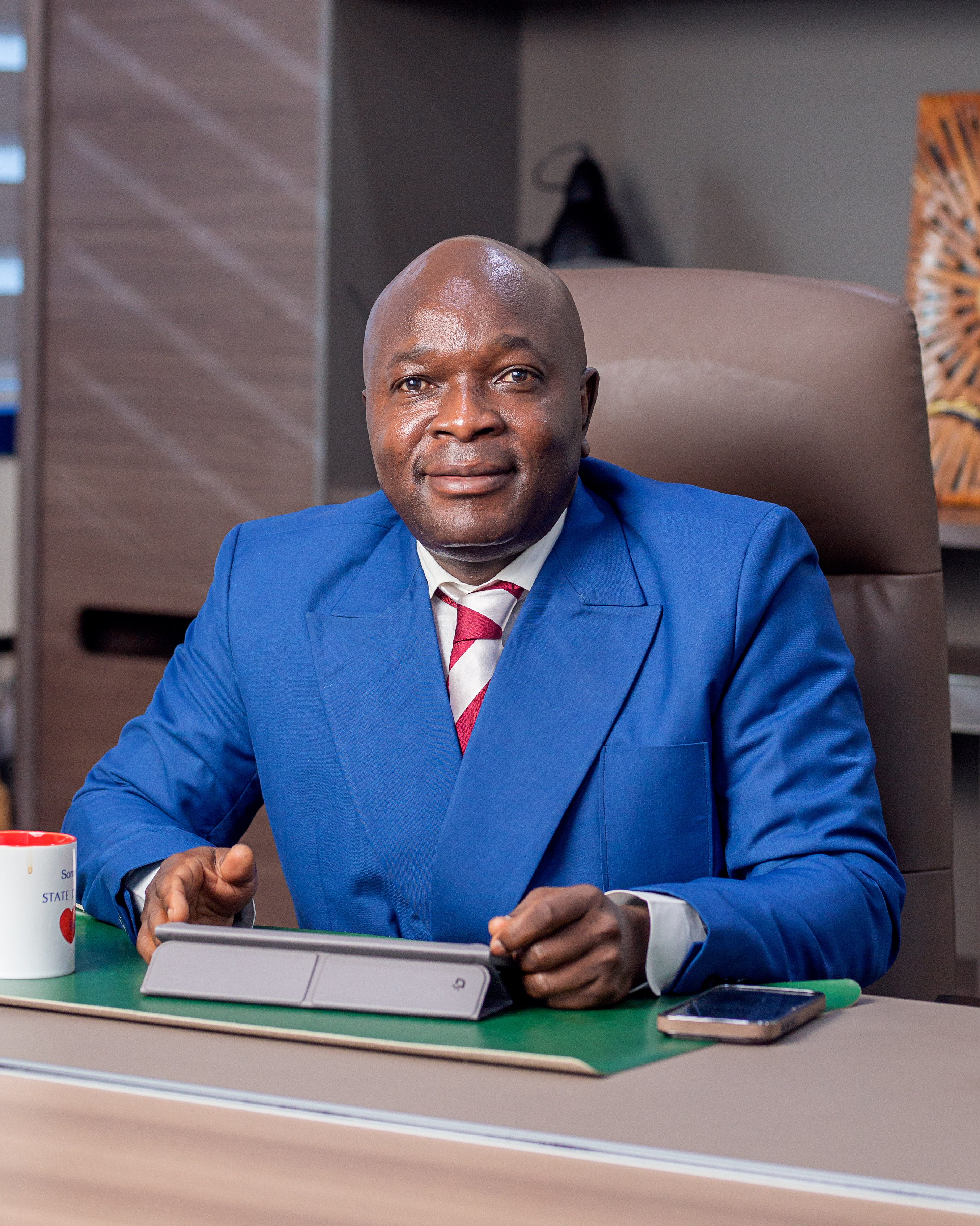
He referenced recent remarks by former NPP running mate, Dr Matthew Opoku Prempeh, at the NkrumahFest in Nkroful to mark Nkrumah’s 117th birthday. Dr Prempeh described Nkrumah as a “generational thinker” and a liberation icon whose legacy transcends politics, and called on Ghanaians to rise above partisan politics to honour him.
Alhaji Agongo said the comments show growth from Dr Prempeh’s controversial 2024 comparison of Nkrumah and former President Akufo-Addo, for which he later apologised.
According to him, Nkrumah’s significance went beyond Ghana. He championed continental unity, collective security and shared economic progress long before regional integration became popular. He noted that the African Continental Free Trade Area (AfCFTA) in Accra is a modern expression of Nkrumah’s vision.
He added that Nkrumah warned that political independence would mean little without economic sovereignty, a concern that still echoes today in debates on trade, debt and resource control.
Alhaji Agongo said many issues at this year’s UNGA climate justice, development financing, UN Security Council reform and global inequality are issues Nkrumah championed at the UN, insisting that newly independent states deserved equal respect.
He said Nkrumah’s biggest lesson for today’s leaders is long-term vision over short-term politics, focusing on industrialisation, education, infrastructure and strong institutions.
Nations advance when they build on their shared history rather than weaponise it for political gain,”_ he said, adding that Nkrumah’s legacy of unity, self-reliance and Pan-African cooperation remains a blueprint for leaders.