
“Ghana Must Accelerate Transition to Renewable Energy – Dr. Emmanuel Kofi Mbiah”
"Ghana Must Accelerate Transition to Renewable Energy - Dr. Emmanuel Kofi Mbiah"

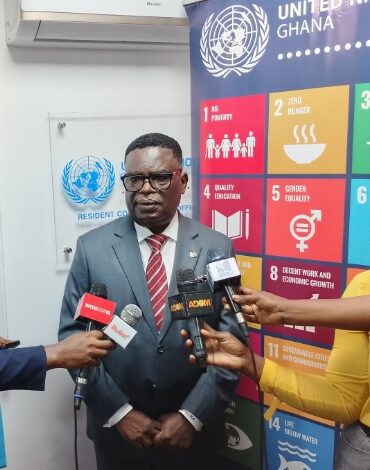
“Ghana Must Accelerate Transition to Renewable Energy – Dr. Emmanuel Kofi Mbiah”
Ghana needs to accelerate its transition to renewable energy to reduce its dependence on fossil fuels and mitigate the impact of climate change, according to Dr. Emmanuel Kofi Mbiah, Country Lead for UN Global Compact Ocean Centre – Ghana. Speaking on the importance of transitioning to renewable energy, Dr. Mbiah emphasized the need for a framework that includes renewable infrastructure, policy framework, and investments.
Dr. Mbiah outlined a three-pillar approach to Ghana’s transition strategy, which includes:
1.Renewable infrastructure: Developing infrastructure that supports renewable energy generation and distribution.
2.Policy framework: Creating policies that support the development and use of renewable energy.
3.Investments: Attracting investments that can help increase Ghana’s renewable energy capacity.
Dr. Mbiah also emphasized the importance of de-risking investments in renewable energy to attract more investors. By reducing the level of risk associated with investing in renewable energy, Ghana can attract more investments and develop its renewable energy capacity much quicker.
Dr. Mbiah noted that the world has common but differentiated responsibilities when it comes to addressing climate change. While all countries have a responsibility to address climate change, some countries have more responsibilities than others due to their historical emissions. Ghana has pushed for a transition to renewable energy, and Dr. Mbiah emphasized the need to accelerate the pace of this transition.
Dr. Mbiah also highlighted the importance of artificial intelligence (AI) and data centers in the transition to renewable energy. As AI continues to grow and become more prevalent, data centers will consume more electricity. Ghana needs to be prepared to meet this demand with renewable energy sources.
The transition to renewable energy is critical for Ghana’s economic development and to mitigate the impact of climate change. By accelerating the pace of this transition, Ghana can reduce its dependence on fossil fuels, attract investments, and develop its renewable energy capacity. As Dr. Mbiah emphasized, the time to act is now, and Ghana must take bold steps to achieve its renewable energy goals.
Story by Fada Amakye from Daily Sun online


