
GIHOC Distilleries Sets Sights on Revival with New Fleet, Eyes 24-Hour Production
GIHOC Distilleries Sets Sights on Revival with New Fleet, Eyes 24-Hour Production


Story by Fada Amakye
GIHOC Distilleries, Ghana’s leading manufacturer of alcoholic beverages, has unveiled a new fleet of vehicles as part of its efforts to revive its operations and increase production. Speaking at the commissioning ceremony, CEO Mr. Jones Borteye Applerh emphasized the company’s commitment to restoring GIHOC to its former glory through disciplined growth, operational strength, and market dominance.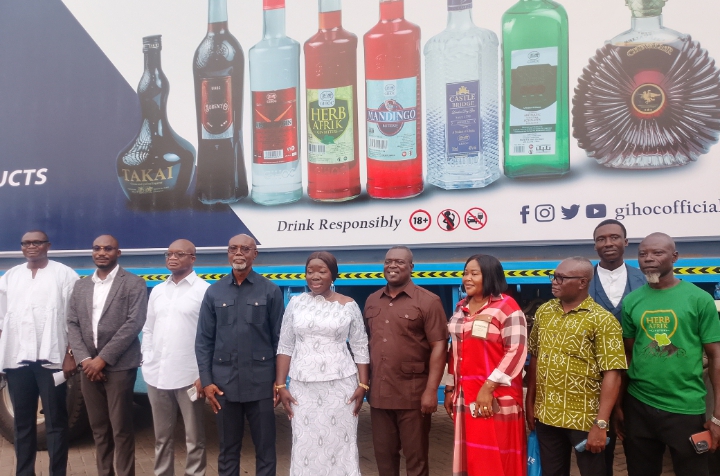
The new fleet includes 10 pickup trucks, two forklifts, one articulated delivery vehicle, and one administrative vehicle, aimed at enhancing distribution and logistics management. Applerh noted that the company has already increased production output by over 50% in 2025 and aims to sustain this growth through improved visibility, reach, and execution.
GIHOC is transitioning to a two-shift operational system and plans to move to full 24-hour production in line with the government’s 24-hour economic policy. Applerh emphasized that this policy is cruciala for driving industrial productivity, creating employment, and accelerating national growth.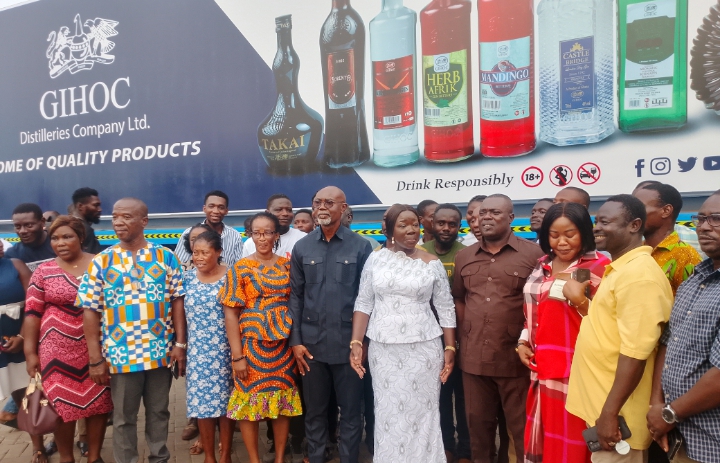
Minister for Trade, Agribusiness, and Industry, Hon. Elizabeth Ofosu-Adjare, has pledged government support for GIHOC’s revival, citing the company’s quality products and potential for job creation and export growth. The government plans to revamp GIHOC Distilleries to boost its operating capacity, create jobs, and enhance exports, leveraging international trade agreements like AfCFTA, UK, and EU markets.
However, GIHOC faces challenges, including a GHS 300-million debt burden and outdated machinery, despite having a skilled workforce. The company is currently operating at 60-65% capacity due to equipment issues.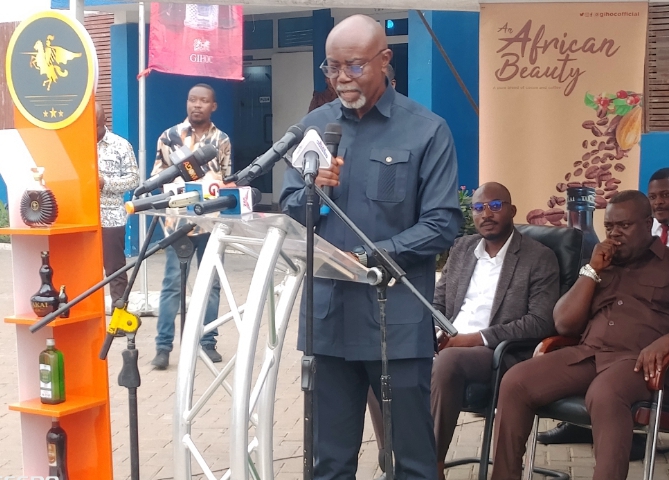
The government aims to use GIHOC as a catalyst for economic transformation, promoting local products and creating employment opportunities.
The 24-hour economy policy is expected to drive industrial growth, increase productivity, and enhance Ghana’s global competitiveness.


