“Ghana Takes the Reins: A Bold Move Towards Health Sovereignty and Self-Reliance”
"Ghana Takes the Reins: A Bold Move Towards Health Sovereignty and Self-Reliance"


Story by Fati
Ghana is making a resolute move towards asserting its sovereignty in addressing health challenges, with a focus on HIV, AIDS, TB, and Malaria. The country’s leadership is committed to domestic financing and partnership, rather than relying on foreign aid, marking a significant shift in its approach to healthcare.
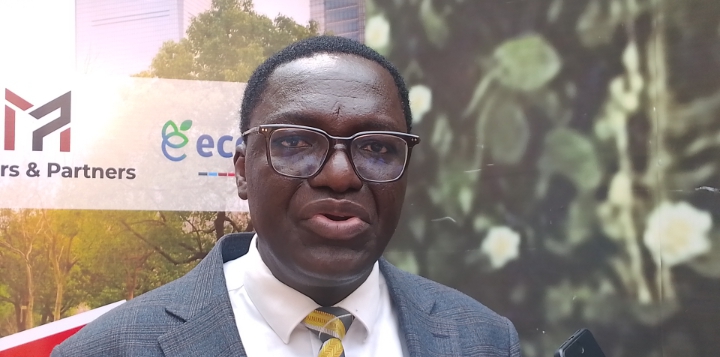
Speaking at a conference, Dr. Kharmacelle Prosper Akanbong, Director-General of the Ghana AIDS Commission, emphasized the need for Ghana to take control of its health response, citing the importance of producing essential medicines locally and reducing dependence on imports. This approach is expected to not only improve access to healthcare but also boost the country’s economy by creating jobs and stimulating growth.
The country is exploring innovative approaches, including local manufacturing and public-private partnerships, to improve access to healthcare and reduce new infections. Key populations, including sex workers, men who have sex with men, and adolescent girls and women, are being targeted with new prevention methods, including pre-exposure prophylaxis (PrEP).
The representative urged Ghanaians to take ownership of their health, emphasizing the importance of community engagement and participation in healthcare initiatives. “We have to take the law into our hands,” Dr. Akanbong said, highlighting the need for collective action to address the country’s health challenges.
Ghana’s efforts are focused on increasing access to testing, treatment, and prevention services, with a goal of achieving epidemic control. The country is also working to strengthen its healthcare system, improve healthcare infrastructure, and enhance the capacity of healthcare workers.
The conference also highlighted the importance of addressing the social determinants of health, including poverty, inequality, and lack of access to education and employment opportunities. Dr. Akanbong emphasized the need for a comprehensive approach that addresses the root causes of health disparities and promotes health equity.
Ghana’s bold move towards health sovereignty is expected to have far-reaching implications for the country’s healthcare system and economy. With a focus on innovation, partnership, and domestic financing, Ghana is poised to make significant strides in addressing its health challenges and achieving epidemic control.
The country’s efforts are being watched closely by other African nations, which are also grappling with similar health challenges. Ghana’s success is expected to serve as a model for other countries, demonstrating the importance of taking ownership of health responses and promoting domestic financing and partnership.
As Ghana moves forward, it is clear that the country is committed to achieving health sovereignty and self-reliance. With the right approach, partnerships, and resources, Ghana is poised to overcome its health challenges and emerge stronger and more resilient.